Who Tends to Get the Most Cavities?
Posted on 10/1/2026 by Jerome Riddle DDS Office |
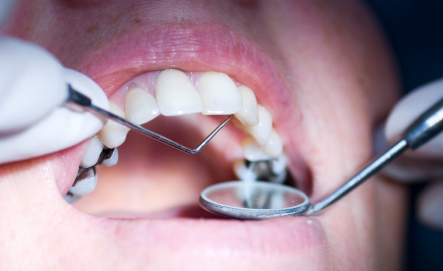 Let's explore a common dental health issue: cavities! Tooth decay affects people of all ages, but some individuals are more likely to experience them than others. Understanding why this happens can help you take better care of your teeth and gums and potentially reduce your risk.
Age Matters
Children and teenagers are often more susceptible to cavities. This is because their enamel, the hard outer layer of their teeth, is still developing and may not be as strong as adult enamel. Also, younger individuals may not have established consistent oral care habits, like brushing and flossing regularly. Seniors are another group at higher risk. As we age, our gums can recede, exposing the roots of our teeth, which are softer and more vulnerable to decay. Dry mouth, a common side effect of many medications taken by older adults, also contributes to cavity formation by reducing saliva flow. Saliva helps neutralize acids and wash away food particles.
Diet's Role
What you eat significantly impacts your risk of developing cavities. Frequent consumption of sugary and acidic foods and drinks provides fuel for bacteria in your mouth. These bacteria produce acids that attack tooth enamel, leading to decay. Sticky foods, like candy and dried fruit, are particularly problematic because they tend to linger on teeth, prolonging acid exposure.
Oral Hygiene Habits
Consistent and effective oral care is crucial for preventing cavities. Brushing at least twice a day with fluoride toothpaste helps remove plaque and bacteria. Flossing daily removes food particles and plaque from between teeth, areas that your toothbrush can't reach. Inconsistent or improper brushing and flossing techniques increase the risk of cavity development.
Saliva's Protective Function
Saliva plays a vital role in maintaining oral health. It helps neutralize acids, remineralize tooth enamel, and wash away food debris. Individuals with reduced saliva flow, due to medical conditions, medications, or radiation therapy, are at a higher risk of developing cavities.
Fluoride's Impact
Fluoride is a naturally occurring mineral that strengthens tooth enamel and makes it more resistant to acid attacks. People who don't get enough fluoride, whether through fluoridated water, toothpaste, or professional treatments, are more likely to develop cavities.
Underlying Health Conditions
Certain medical conditions can increase the risk of cavities. For example, individuals with diabetes may have higher sugar levels in their saliva, promoting bacterial growth and acid production. Eating disorders, such as bulimia, can expose teeth to stomach acid, eroding enamel and increasing cavity risk.
What Can Be Done?
While some factors, like age, can't be changed, many cavity risk factors can be managed. Improving your oral hygiene habits, making dietary changes, and addressing underlying health conditions can all help reduce your risk. Regular dental checkups and cleanings are essential for early detection and treatment of cavities. When cavities do occur, restoration dentistry, such as fillings, can repair the damage and prevent further decay. By understanding the factors that contribute to cavity formation, you can take proactive steps to protect your teeth and maintain a healthy smile.
|
|