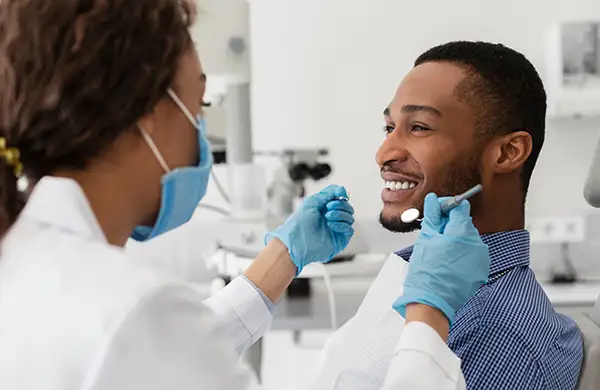
Many people think of dental sealants as something just for kids. After all, we often hear about how important they are for protecting children's teeth. But what about adults? Can dental sealants benefit grown-ups too? The answer might surprise you. Let's explore the role of dental sealants in adult oral care and why they're worth considering as part of a comprehensive prevention dentistry plan.
What Are Dental Sealants?
Dental sealants are thin, plastic coatings that are applied to the chewing surfaces of teeth, usually the molars and premolars. These teeth have natural pits and grooves where food particles and bacteria can easily get trapped. Brushing and flossing can sometimes miss these hard-to-reach areas, making them susceptible to decay. Sealants act as a barrier, smoothing out the tooth surface and preventing these harmful substances from settling in.
Why Sealants Are Often Associated with Children
The reason sealants are frequently recommended for children is that newly erupted permanent teeth are more vulnerable to decay. The enamel, or outer layer, of these new teeth isn't fully mineralized, making them more porous and susceptible to acid attacks from bacteria. Applying sealants early on can provide an extra layer of protection during this critical period.
The Adult Advantage: Sealants for Prevention
While children benefit greatly from sealants, adults can too! Even if you've maintained good oral hygiene throughout your life, your teeth can still develop cavities. Some adults have deep grooves in their teeth that make them prone to decay, regardless of how diligently they brush. Other adults may experience conditions like dry mouth or certain medical conditions that increase their risk of cavities.
Sealants can be a valuable tool in prevention dentistry for adults who:
•
Have a history of cavities, even with good oral care habits.
•
Have deep pits and fissures in their molars and premolars.
•
Are undergoing orthodontic treatment, as brackets can make cleaning difficult.
•
Experience dry mouth due to medications, medical conditions, or radiation therapy.
•
Consume a diet high in sugars and carbohydrates.
How Sealants Are Applied
The application of dental sealants is a simple and painless procedure. First, the teeth are thoroughly cleaned and dried. Then, a special solution is applied to roughen the tooth surface, which helps the sealant bond effectively. After rinsing and drying the tooth again, the sealant material is painted onto the chewing surface and hardened with a special curing light. The entire process usually takes just a few minutes per tooth.
Long-Term Benefits
Dental sealants can last for several years, providing continuous protection against decay. During your regular dental checkups, your dentist will examine the sealants to ensure they are still intact and functioning properly. If a sealant wears down or chips, it can be easily reapplied.
By incorporating sealants into your adult oral care routine, you can proactively safeguard your teeth against cavities and maintain a healthy smile for years to come. Talk to your dental professional to determine if dental sealants are right for you.


 Many people think of dental sealants as something just for kids. After all, we often hear about how important they are for protecting children's teeth. But what about adults? Can dental sealants benefit grown-ups too? The answer might surprise you. Let's explore the role of dental sealants in adult oral care and why they're worth considering as part of a comprehensive prevention dentistry plan.