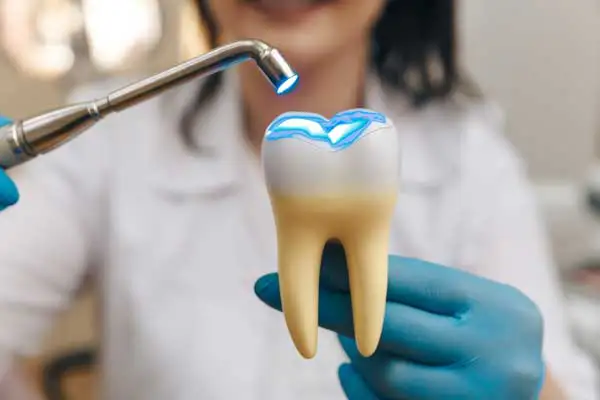
Are you familiar with fillings? Most of us have probably needed at least one during our lifetime. But did you know that the materials used for dental fillings are constantly evolving? For years, dentists have been searching for the ideal substance to repair teeth affected by decay. While current options are effective, the future may hold even more promising solutions, like bioactive glass.
What is Bioactive Glass?
Bioactive glass isn't like the regular glass you see in windows or drink from. It's a special type of glass material designed to interact positively with the body. It's made from ingredients like silica, calcium, and phosphate, all of which are naturally found in our bones and teeth. When bioactive glass comes into contact with bodily fluids, it forms a layer similar to the mineral structure of bone. This unique property is what makes it so interesting for use in oral care.
How Could Bioactive Glass Improve Dental Fillings?
The potential benefits of using bioactive glass in dental fillings are significant. One of the most exciting aspects is its ability to promote remineralization. Tooth decay happens when acids in our mouths dissolve the minerals that make up our teeth. Bioactive glass can release calcium and phosphate ions, helping to rebuild and strengthen weakened enamel. This process could potentially reverse early stages of decay and make the tooth more resistant to future problems.
Another advantage is its biocompatibility. Because it's made of components similar to our own bone and teeth, bioactive glass is well-tolerated by the body. This reduces the risk of inflammation or allergic reactions compared to some other filling materials.
Furthermore, bioactive glass has shown promise in inhibiting bacterial growth. Certain types of bacteria contribute to tooth decay. The alkaline environment created by bioactive glass can help to reduce the harmful effects of these bacteria, contributing to better long-term oral care.
The Potential for Long-Term Benefits
Imagine a dental filling that not only fills the cavity but also actively helps to heal and protect the tooth. This is the vision that motivates research into bioactive glass. While current dental filling materials like composite resin and amalgam are effective, they don't offer the same potential for remineralization and antibacterial action.
Bioactive glass could lead to longer-lasting fillings, reduced sensitivity, and a decreased risk of secondary decay around the filling margins. The goal is to create a dental filling that integrates seamlessly with the natural tooth structure, providing a durable and biologically compatible repair.
The Future of Bioactive Glass in Dentistry
Research into bioactive glass for dental applications is ongoing, and scientists are exploring different ways to incorporate it into dental filling materials. It may be used as a component of composite resins, or even as a standalone filling material.
While it may take some time before bioactive glass fillings become widely available, the potential benefits for oral care are clear. It represents an exciting step forward in the quest for more effective, biocompatible, and long-lasting dental solutions. As research continues, we can look forward to a future where dental fillings actively contribute to the health and strength of our teeth.


 Are you familiar with fillings? Most of us have probably needed at least one during our lifetime. But did you know that the materials used for dental fillings are constantly evolving? For years, dentists have been searching for the ideal substance to repair teeth affected by decay. While current options are effective, the future may hold even more promising solutions, like bioactive glass.